CAE Speaking Test 6: changing plans, trust and memorable experiences
CAE Speaking Test 6 is a free C1 Advanced Speaking practice test in four parts, with recorded examiner prompts and 6 photos. You compare adapting plans and building trust, then discuss what makes an experience memorable and useful afterwards. The Part 3 question is “How might these factors make an experience memorable and useful afterwards?”
- Free, no sign-up to start
- Solo practice with recorded examiner prompts
- Estimated Cambridge English Scale score
What is in CAE Speaking Test 6
| Part | Task | Exam time | In this test |
|---|---|---|---|
| 1 | Interview | 2 min | 8 questions (6 asked), from “Where are you from?” |
| 2 | Long turn | 4 min | 3 photos each: situations in which people may need to adapt their plans; people developing trust while doing something together |
| 3 | Collaborative task | 4 min | How might these factors make an experience memorable and useful afterwards? |
| 4 | Discussion | 5 min | 6 questions (5 asked), from “Why do people sometimes remember an unsuccessful experience more clearly than a successful one?” |
Solo practice: you answer recorded examiner prompts. The real test is face to face with two examiners, usually in pairs.
Part 1: interview
- Where are you from?
- What do you enjoy doing independently?
- How do you decide whether an old habit is still useful?
- Which tradition would you like people to continue?
- Who has helped you learn something important?
- Do you prefer advice from an expert or from someone who knows you well? Why?
- What have you learned from a choice that did not turn out as expected? extra
- What would you like to become more confident about in the future? extra
Part 2: long turn
Candidate A (you)
Photos of situations in which people may need to adapt their plans.
What might the people need to change about their plans?
How might they feel about having to adapt?
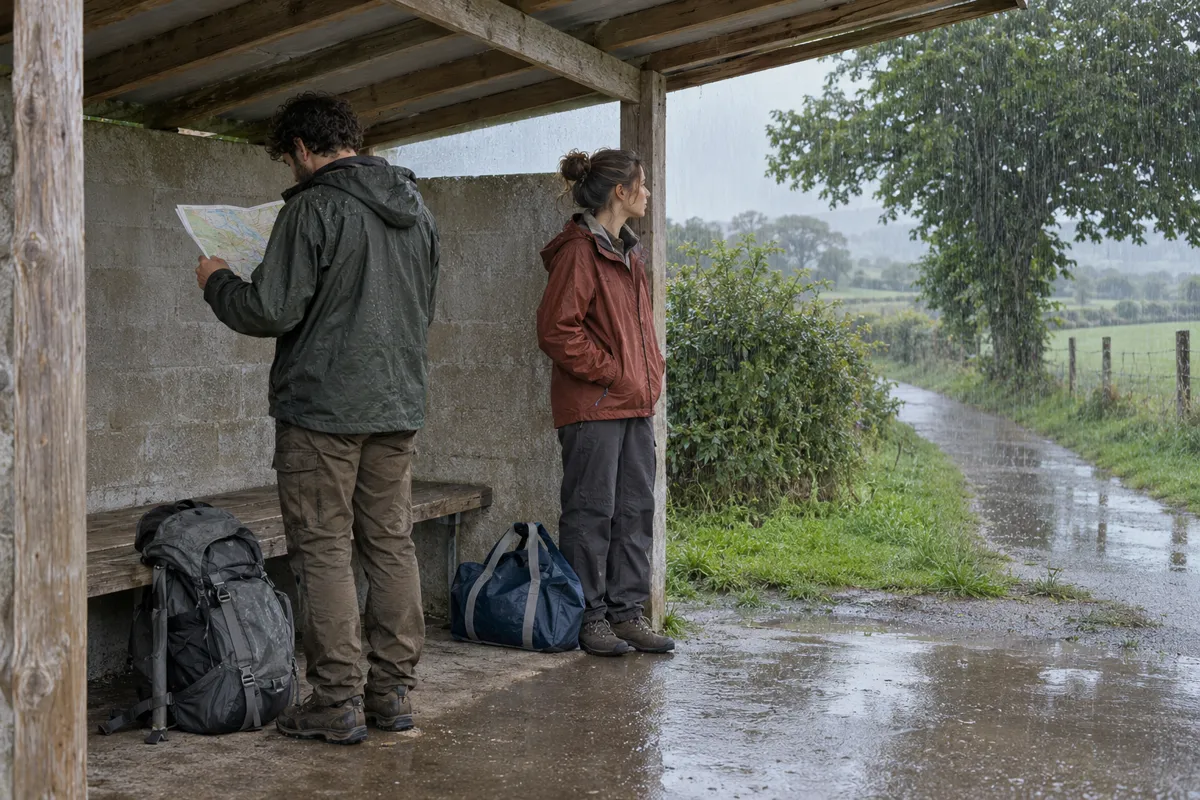
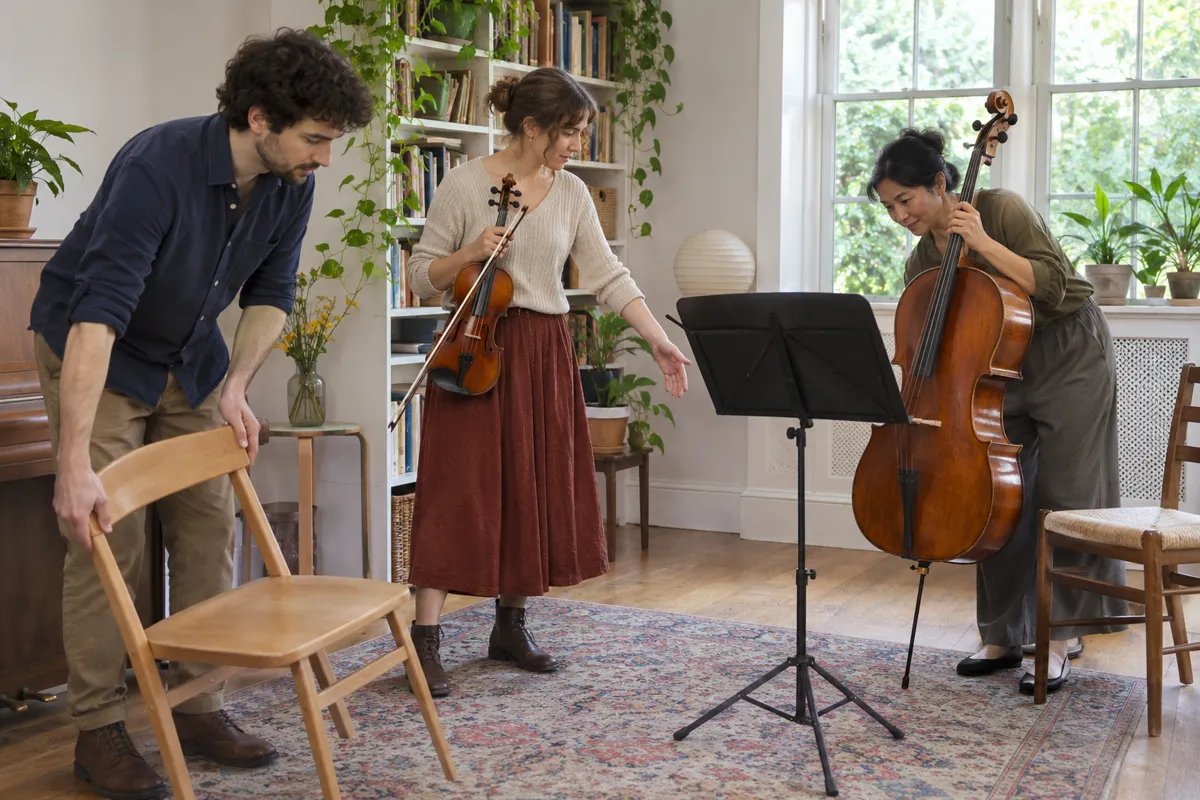

Partner question: In which situation might being flexible make the greatest difference to the result? Why?
Candidate B
Photos of people developing trust while doing something together.
Why might trust be important in these situations?
How might the people build confidence in one another?
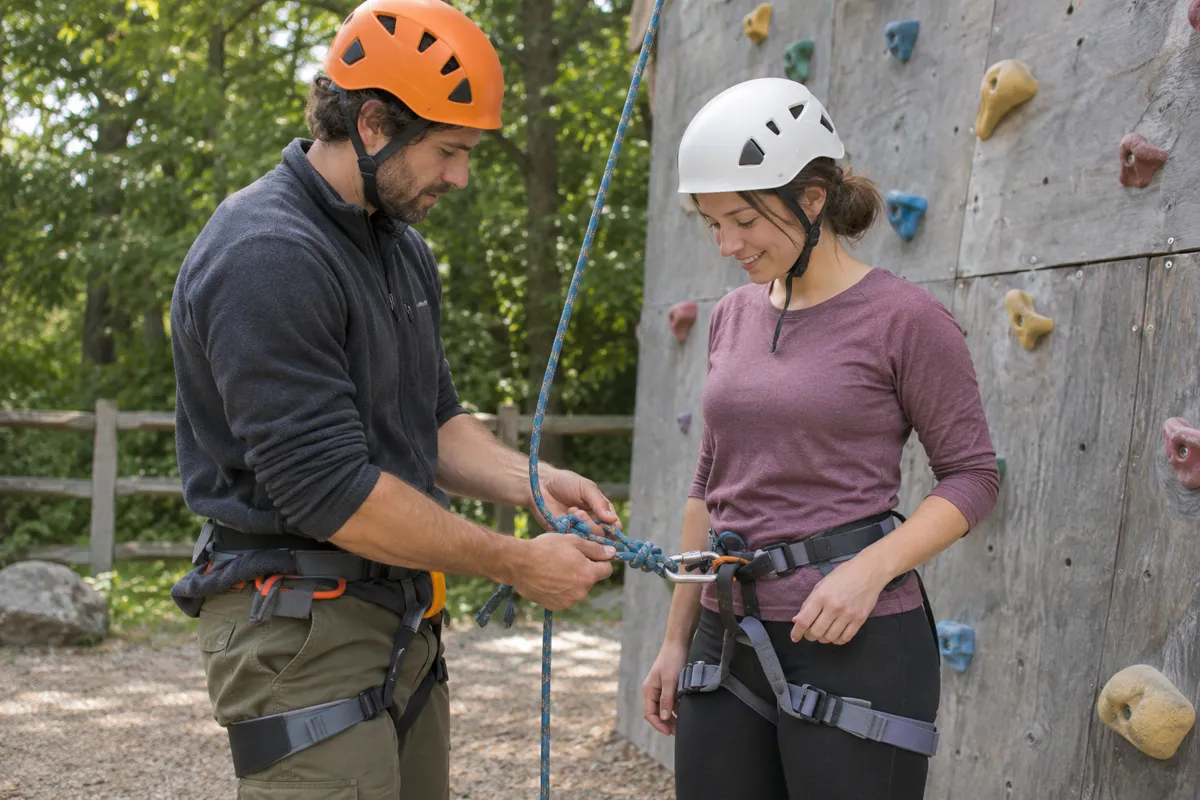
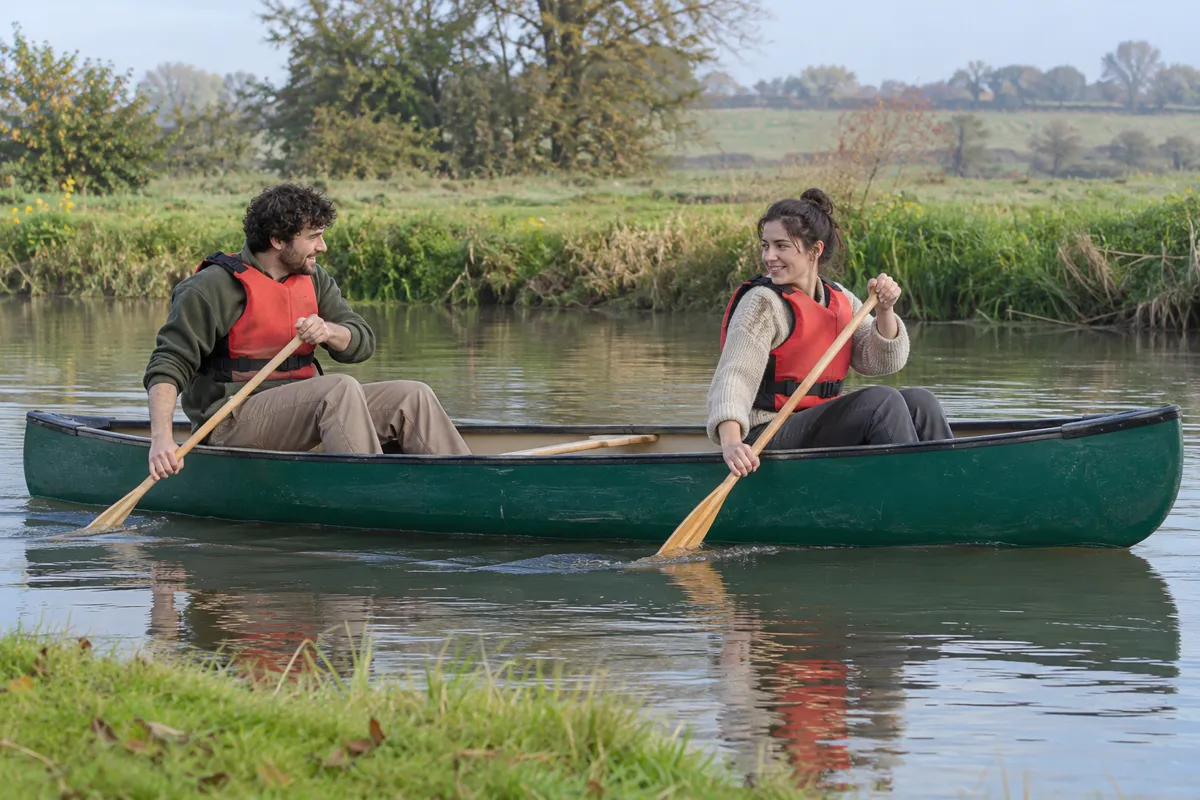

Partner question: In which of these situations might trust take longest to develop? Why?
Part 3: collaborative task
How might these factors make an experience memorable and useful afterwards?
- facing a manageable challenge
- sharing it with other people
- having time to reflect
- seeing a practical result
- connecting it with earlier learning
Now you have about a minute to decide which factor would matter most when planning an activity for people who do not know one another.
Part 4: discussion
- Why do people sometimes remember an unsuccessful experience more clearly than a successful one?
- How important is it to reflect on an experience before moving on?
- Can an enjoyable activity be valuable even if nothing practical is learned? Why?
- What responsibilities do organisers have when encouraging people to leave their comfort zone?
- How might sharing an experience change the way people remember it?
- Do people learn more from experiences they choose themselves or from those they did not expect? Why? extra
How it is marked
CAE Speaking marking
Grammatical Resource, Lexical Resource, Discourse Management, Pronunciation, Interactive Communication and Global Achievement: 75 marks. Our expert evaluation gives an estimate from your recordings.
More CAE Speaking tests
CAE Speaking practice tests · CAE Mock Test 6 · Updated 15 November 2026
Ready for CAE Speaking Test 6?
15 minutes in the exam; the solo practice is a little shorter. Free, no sign-up to start: you give an email address when you submit, and we email you when your expert evaluation is ready to view.